The Role of Mass Plastic Containers in Effective Recycling Practices and Sustainability
Mass plastic containers are indispensable to modern-day reusing initiatives. Their design boosts the effectiveness of material collection and transportation, adding to sustainability objectives. These containers not only enhance space but also aid in checking contamination levels. However, their implementation is not without challenges. Understanding the complete range of their influence discloses an intricate relationship in between logistics and environmental obligation that warrants further expedition.
Comprehending Mass Plastic Containers
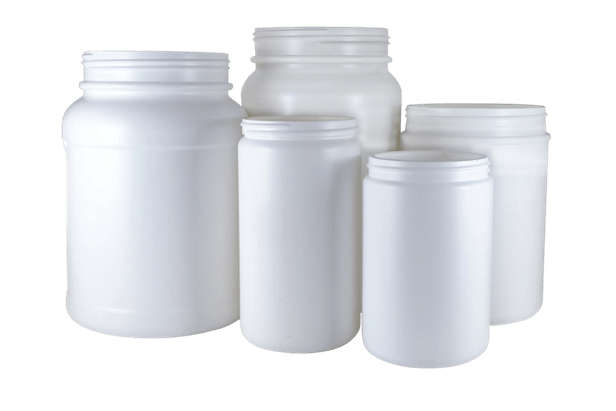
Bulk plastic containers offer as a necessary component in numerous sectors, promoting the storage space and transport of items. These containers are typically made from robust products such as high-density polyethylene (HDPE) or polypropylene, which offer durability and resistance to environmental aspects. Their design frequently consists of features like stackability and modularity, enabling efficient use room during both storage and transportation.
Industries such as agriculture, food handling, and producing frequently utilize mass plastic containers because of their lightweight nature and simplicity of handling. The containers can be found in various sizes and arrangements, dealing with the specific requirements of various products. Their flexibility prolongs beyond simple functionality; they can additionally be tailored with covers, handles, and identifying choices to improve use - Bulk Plastic Containers. As a result, mass plastic containers play a crucial duty in maximizing logistics and supply chain procedures throughout multiple markets, consequently adding to general efficiency and cost-effectiveness
Benefits of Using Bulk Plastic Containers in Recycling
When organizations focus on recycling initiatives, the use of bulk plastic containers greatly boosts the efficiency of the process. These containers are made to optimize area, permitting the storage and transportation of larger amounts of recyclable products. This causes fewer journeys to reusing centers, thus reducing gas intake and linked discharges.
Furthermore, bulk plastic containers are durable and resistant to various environmental variables, guaranteeing that products continue to be protected during handling and transportation. Their light-weight style better adds to reduce transport expenses.
The uniformity of these containers promotes better sorting and processing of recyclable materials, which can boost overall recycling prices. Organizations that adopt bulk plastic containers likewise demonstrate a commitment to sustainability, positively affecting their brand photo. Eventually, these advantages not only simplify reusing methods however also contribute to more comprehensive environmental goals
How Bulk Plastic Containers Facilitate Product Collection
Reliable material collection is significantly enhanced by the use bulk plastic containers, as they give a reliable and structured solution for gathering recyclable things. These containers are developed to fit large quantities of products, which streamlines the sorting and storage procedure. Their stackable style makes best use of room use, making it less complicated for centers to arrange recyclables without clutter.
In addition, bulk plastic containers are weather-resistant and resilient, permitting outdoor placement without degradation. This durability assures that products remain secured till they are accumulated for processing.

The uniformity in size and form of these containers helps with standardization across collection factors, making it possible for better tracking of recyclable quantities. Their clear nature permits for very easy presence of materials, aiding in the surveillance of contamination degrees and guaranteeing that only ideal products are collected. Generally, mass plastic containers play a vital role in improving the product collection procedure, consequently advertising efficient recycling techniques.
Transport Efficiency and Environmental Impact
Transportation efficiency plays an essential function in the reusing procedure, specifically with the optimization of tons ability wholesale plastic containers. By making best use of the volume of material delivered, firms can significantly decrease the variety of trips required, thus decreasing their carbon impact. This approach not only boosts functional efficiency however also adds to extra lasting environmental methods.
Optimizing Tons Capacity
Although enhancing lots capability is frequently neglected, it plays a necessary role in boosting transportation performance and lessening environmental effect in recycling techniques. By maximizing the volume that mass plastic containers can hold, recycling operations can reduce the variety of journeys required for transport. This not just decreases gas intake but additionally decreases the deterioration on cars. Efficient lots administration enables facilities to utilize area effectively, making sure that each transport cycle is as productive as possible. Additionally, well-optimized lots can cause far better arrangements with logistics companies, potentially decreasing general expenses. Inevitably, enhancing load ability adds to a more sustainable reusing system by fostering reliable source use and decreasing waste created throughout transportation.
Reducing Carbon Impact
As reusing operations venture to lessen their environmental impact, minimizing the carbon footprint related to transportation arises as a vital objective. Mass plastic containers play an essential role in attaining this goal by improving tons effectiveness and optimizing logistics. Their light-weight yet sturdy layout permits maximum freight space usage, minimizing the variety of journeys required to transport materials. By settling shipments, recycling facilities can decrease gas intake and greenhouse gas emissions. Additionally, strategically situating recycling centers reduces transport distances, additionally lowering carbon outputs. Furthermore, using fuel-efficient cars and alternate power resources improves total sustainability. By incorporating these methods, the reusing sector can significantly lessen its carbon impact, adding to an extra lasting future.
Difficulties in the Use of Bulk Plastic Containers

Contamination Problems
Contamination issues stand for a considerable challenge in the effective usage of mass plastic containers within recycling practices. These containers often gather residues from previous contents, causing mixed materials that can impede the recycling procedure. Contaminants such as food waste, chemicals, or non-recyclable products can jeopardize the honesty of the entire batch, resulting in enhanced disposal costs and lowered reusing prices. Furthermore, incorrect cleaning or sorting can intensify these issues, making it hard for recycling centers to process materials effectively. The existence of contaminants not only impacts the high quality of recycled products but likewise weakens the overall sustainability initiatives focused on reducing plastic waste. Resolving these contamination obstacles is important for boosting the effectiveness of mass plastic container recycling.
Recycling Framework Limitations
Inefficiency in recycling browse this site facilities presents considerable challenges for the effective management of bulk plastic containers. Numerous reusing centers lack the capacity to process large volumes of these containers effectively, leading to boosted delays and expenses. Additionally, insufficient sorting technologies usually cause contamination, as mass containers may be blended with other materials, complicating the reusing process. Minimal transport options likewise impede the movement of bulk plastic containers to appropriate recycling centers, leading to boosted garbage dump waste. Furthermore, an absence of standardized procedures for bulk container recycling produces confusion among consumers and organizations, better complicating initiatives to promote sustainability. Attending to these framework restrictions is necessary to enhance recycling techniques and take full advantage of the potential of mass plastic containers in a circular economy.
Best Practices for Executing Mass Plastic Containers
They ought to focus on a tactical strategy that enhances effectiveness and minimizes contamination risks when companies consider applying mass plastic containers in their reusing methods. First, picking the ideal container dimension and type is vital to accommodate the quantity of products being refined. Organizations must also develop clear labeling and signs to direct users on correct disposal approaches, reducing complication and errors. Normal training sessions for team can additionally reinforce these techniques, making sure every person comprehends their duties in maintaining recycling stability.
Additionally, companies need to execute a regular upkeep routine to examine and clean containers, preventing the build-up of impurities. Partnering with regional recycling facilities can additionally streamline the collection procedure, ensuring that materials are successfully processed. Ultimately, organizations must keep an eye on and review their reusing metrics, using this data to fine-tune methods gradually and promote continual improvement in their sustainability efforts.
The Future of Mass Plastic Containers in Sustainable Practices
As organizations significantly prioritize sustainability, the function of mass plastic containers in reusing techniques is established to develop substantially. Technologies in products science are bring about the development of recyclable and eco-friendly alternatives, enhancing the environmental advantages of mass plastic containers. In addition, the implementation of closed-loop systems will enable simpler collection and repurposing of these containers, reducing waste and source intake.
Technological developments, such as clever tracking systems, will certainly enable companies to check the lifecycle of mass containers, boosting performance in reusing processes. As customer demand for sustainable methods expands, businesses will likely take on bulk plastic containers designed for reuse and long-lasting value. Additionally, partnership in between governments and industries will foster the facility of standardized recycling procedures, making sure that bulk containers are effectively incorporated right into wider sustainability efforts. On the whole, the future of bulk plastic containers appears appealing, with considerable capacity for contributing to a circular economy.
Often Asked Inquiries
Just How Are Mass Plastic Containers Made and What Products Are Utilized?
Mass plastic containers are generally made from high-density polyethylene (HDPE) or polypropylene (PP) These materials are processed with shot molding or strike molding techniques, leading to durable, light-weight containers appropriate for numerous storage and transportation requirements.
Can Mass Plastic Containers Be Reused Multiple Times Before Recycling?
Yes, bulk plastic containers can be reused numerous times before reusing. Their toughness and style enable for repeated usage in various applications, promoting sustainability and source performance while minimizing the demand for new containers.

What Accreditations Exist for Mass Plastic Containers in Recycling?
Various certifications for mass plastic containers consist of the Recycling Partnership's accreditation, the Cradle to Cradle Qualified ™ standard, and the Sustainable Packaging Coalition's guidelines, guaranteeing containers fulfill specific environmental and recyclability criteria for efficient recycling.
Just How Do Mass Plastic Containers Compare to Various Other Recycling Storage Space Options?
Bulk plastic containers provide greater durability and ability go to this web-site contrasted to other recycling storage options, minimizing the danger of contamination and promoting efficient transport. Their layout supports far better company, enhancing general effectiveness in recycling operations.
What Is the Life-span of a Bulk Plastic Container in Recycling Processes?
The lifespan of a bulk plastic container in reusing processes commonly varies from 5 to one decade, relying on use, material top quality, and ecological conditions, allowing for here are the findings several cycles of usage before eventual disposal or recycling.
When companies focus on recycling initiatives, the utilization of bulk plastic containers substantially enhances the efficiency of the process. Transportation efficiency plays an important function in the reusing process, particularly via the optimization of lots ability in bulk plastic containers. The usage of mass plastic containers in recycling techniques faces significant difficulties, specifically concerning contamination concerns and limitations within recycling framework. Contamination concerns stand for a significant obstacle in the reliable use of mass plastic containers within recycling techniques. When organizations take into consideration carrying out mass plastic containers in their reusing techniques, they should focus on a calculated method that enhances effectiveness and lowers contamination dangers.